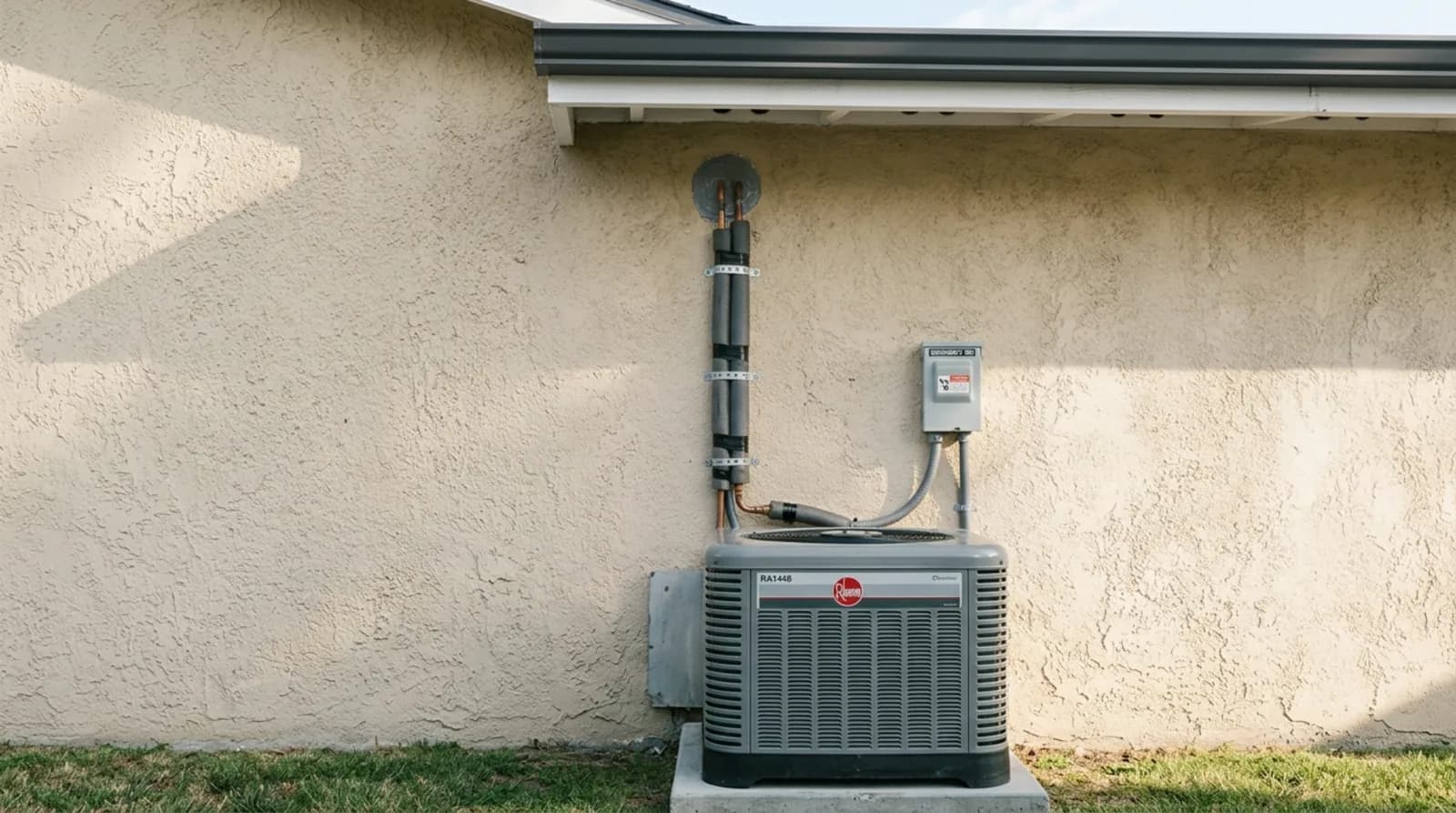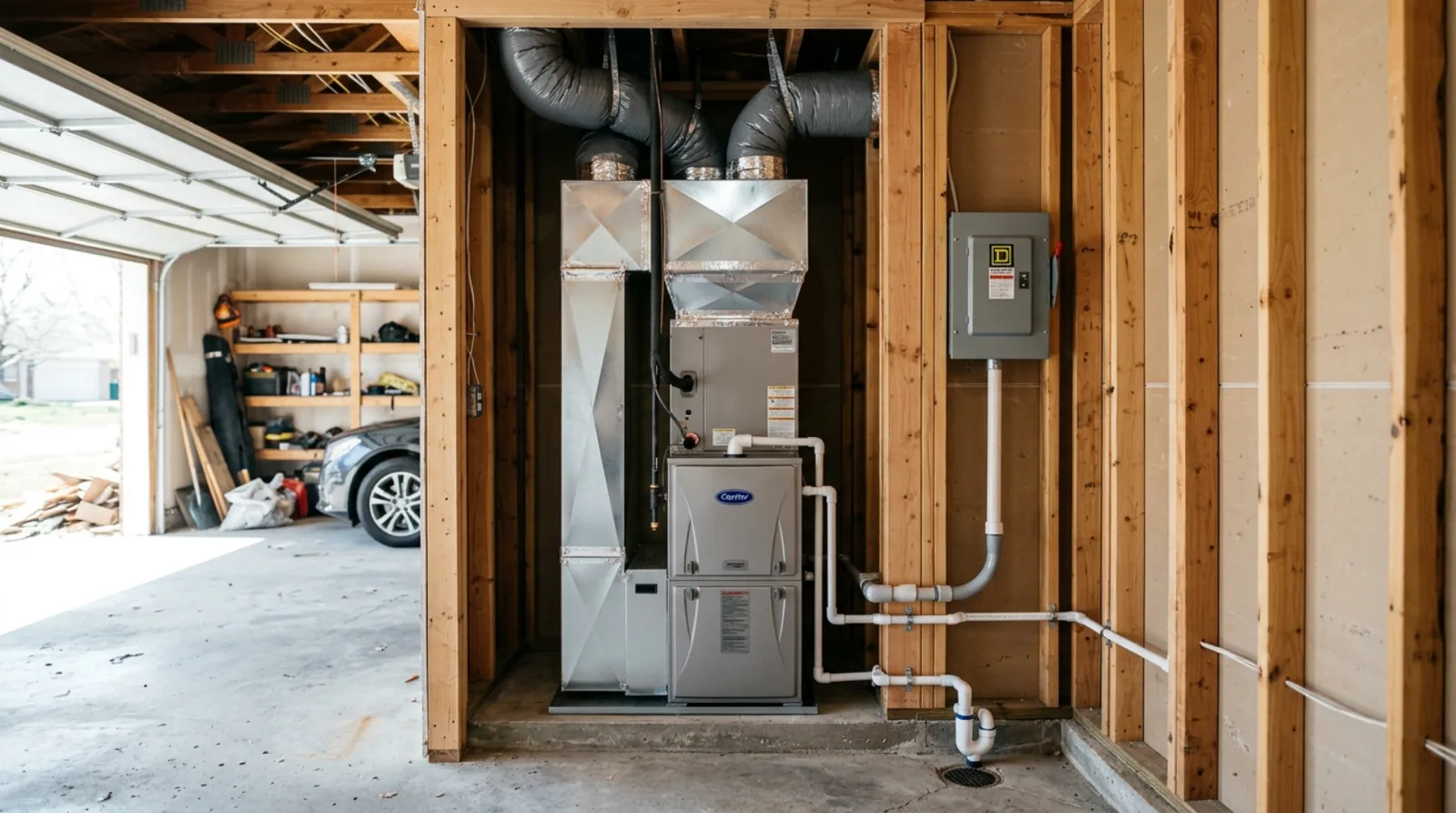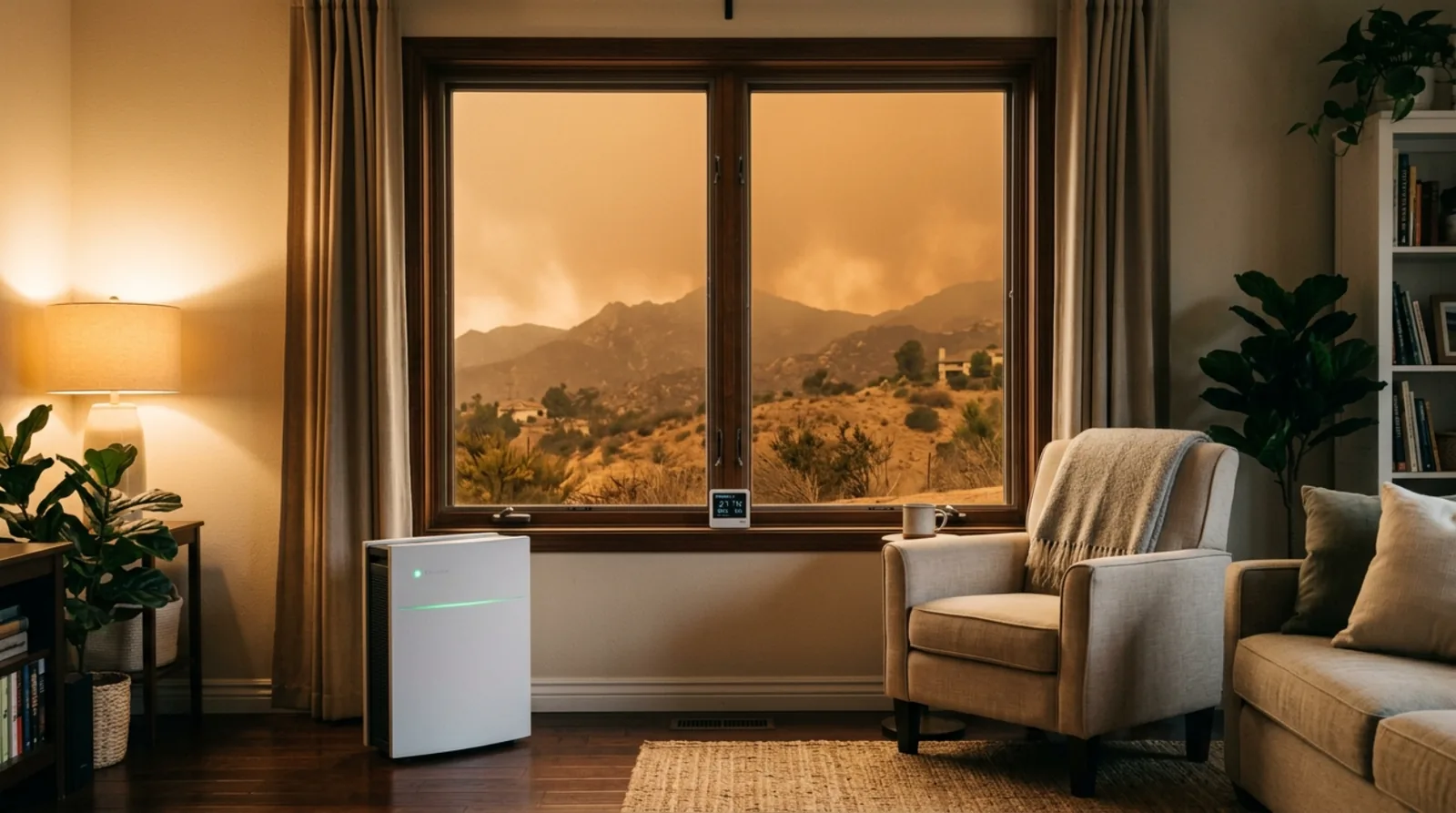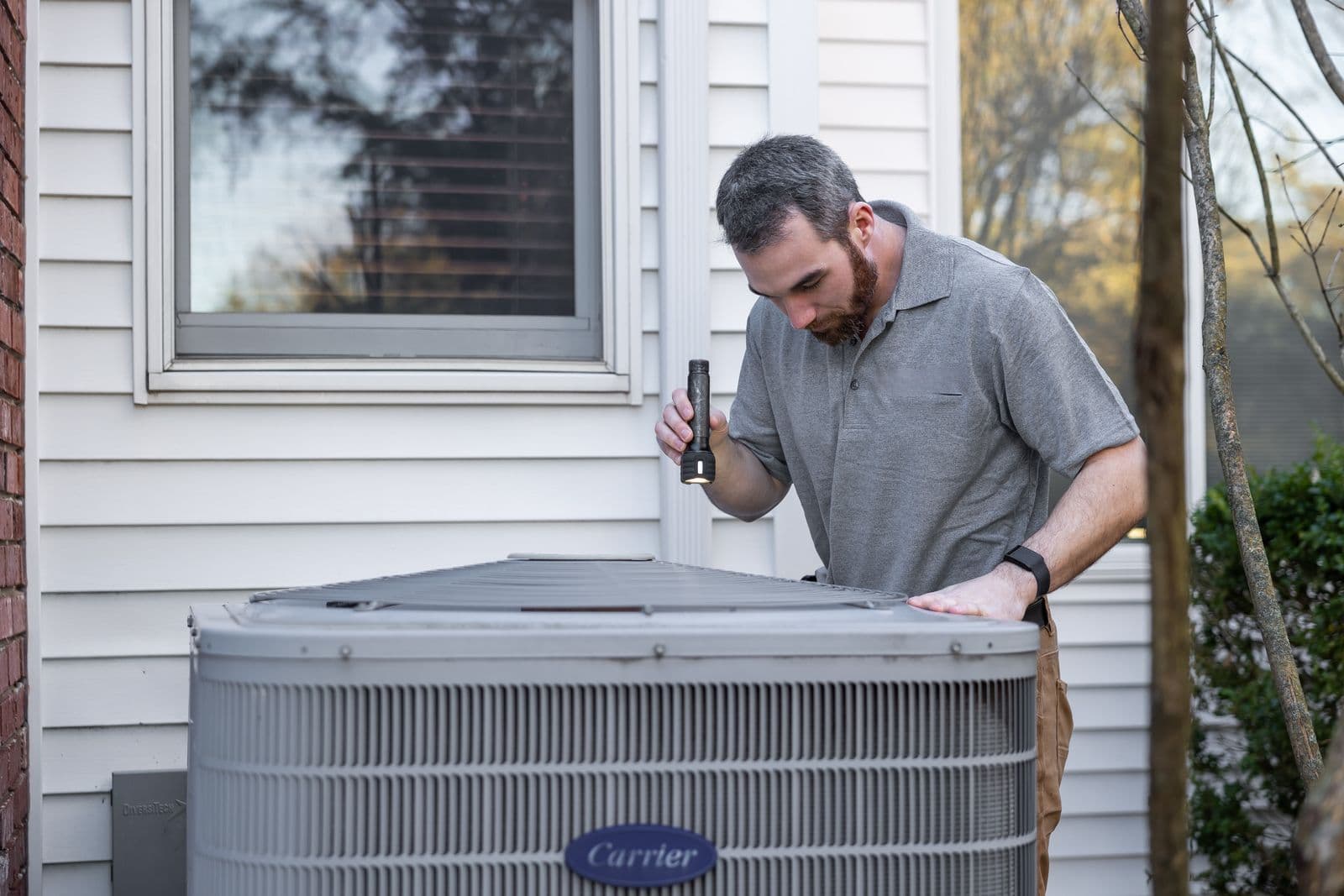
Temecula Valley summers are no joke. When temperatures sit above 100°F for weeks at a time, a 3-ton central air conditioner running 12 or more hours a day takes a beating that most systems simply aren't built to sustain indefinitely. The components that fail first aren't random — they follow a predictable pattern, and the warning signs show up before a complete breakdown if you know what to look for.
Baker Air has responded to hundreds of emergency calls across Temecula, Murrieta, Menifee, and Winchester during July and August heat waves. In almost every case, the homeowner had noticed something off in the days or weeks before the system quit. Here's what to watch for.
Why Extreme Heat Accelerates AC Wear
Air conditioners are rated for efficiency at a standard outdoor temperature of 95°F. When ambient temps push past 105°F — which Temecula and surrounding areas see regularly each summer — the refrigerant pressure inside the system rises sharply, the compressor works harder, and electrical components run hotter than they were designed to.
A system that might last 15 years with moderate use in a coastal climate can show significant wear after 10 years in the Temecula Valley heat corridor. Homes in Winchester with older ductwork and systems installed before 2010 are especially vulnerable, since those units often weren't sized correctly for actual peak-day loads.
Sign 1: Warm Air Even When the System Is Running
If the vents are blowing air that feels only mildly cool or room temperature, the problem is usually one of three things: low refrigerant (often from a leak), a failing compressor, or a frozen evaporator coil. All three get worse fast in high ambient temperatures.
Don't just turn the thermostat down and hope for the best. Low refrigerant means the system is losing its charge somewhere, and running a unit in that state damages the compressor — the most expensive component in the system, typically $1,500 to $2,800 to replace on a standard residential unit in our market.
Sign 2: Unusual Sounds — Banging, Grinding, or Clicking
A healthy AC system is mostly quiet aside from the airflow hum. Banging usually points to a loose or broken component inside the compressor or blower assembly. Grinding often means the motor bearings are worn. Repeated clicking at startup that doesn't stop can indicate a failing capacitor — one of the most common summer failures in Riverside County because capacitors degrade faster under sustained heat load.
Capacitors are relatively inexpensive to replace (usually under $300 with labor), but if you ignore the clicking and the capacitor fully fails, the compressor has to work against a hard start every cycle, which shortens its life significantly. Capacitor failures cluster on grid-stress afternoons, which is why Flex Alerts and brownouts get their own write-up.
Sign 3: Short Cycling — System Turns On and Off Every Few Minutes
When an AC kicks on, runs for two or three minutes, shuts off, then repeats, it's short cycling. This can be caused by an oversized system, a refrigerant issue, a dirty evaporator coil, or a failing thermostat. It's also one of the fastest ways to destroy a compressor, because startup draws far more current than sustained operation.
Short cycling in Menifee and Murrieta homes with newer construction is sometimes a sizing error from the original installation — a system that's too large for the square footage. If you've always had this issue, it may be worth an honest conversation about proper system sizing rather than just replacing parts.
Sign 4: Skyrocketing Electricity Bills Without a Change in Usage
Southern California Edison bills are already painful in summer on a time-of-use rate plan. If your bill spikes significantly compared to the same month last year — and you haven't added square footage, people, or appliances — your AC system is likely losing efficiency. Dirty coils, low refrigerant, and worn motors all cause the system to run longer to achieve the same cooling, burning more electricity in the process.
A system operating at 50% efficiency because of deferred maintenance can add $80 to $150 per month to your summer electricity costs. A seasonal HVAC tune-up that catches these issues early often pays for itself in the first month of summer.
Sign 5: Moisture or Ice Around the Unit
A little condensation around the condensate line is normal. Ice on the refrigerant lines or on the evaporator coil is not. Ice formation usually means restricted airflow (a clogged filter or closed vents) or low refrigerant. When you see ice, turn the system to fan-only mode and let it thaw before running cooling again — running it while frozen can burn out the compressor.
Pooling water around the indoor air handler is often a clogged condensate drain line, which is a common issue in our area because the dry, dusty air from the I-15 and I-215 corridors carries a lot of particulate that settles in drain pans and lines.
Sign 6: The System Is 12 or More Years Old
This one isn't dramatic, but it's real. The average AC system in the Temecula Valley lasts 12 to 15 years with regular maintenance, shorter without it. If your system is approaching or past that age and you're starting to see any of the signs above, you're in the repair-vs-replace decision zone. A good rule of thumb: if the repair cost exceeds 50% of what a new system would cost, replacement is usually the smarter financial move.
Systems installed before 2010 also use R-22 refrigerant, which is no longer manufactured in the US. Recharging an R-22 system has become very expensive, and parts availability is shrinking every year. If yours is still running on R-22, a conversation about a modern system upgrade is worth having before the next breakdown forces the decision.
If your AC shows any of these signs, the best time to act is before it's 108°F outside and every HVAC company in Riverside County has a two-week wait list.
What to Do Next
Baker Air Inc. provides same-day AC repair across the Temecula Valley — Temecula, Murrieta, Menifee, Wildomar, Winchester, and Lake Elsinore. California Contractor License #1098493. If your system is showing any of these warning signs, call (951) 348-0686 or request a diagnostic visit online. No diagnostic fee for Comfy Club members. We'll tell you exactly what's wrong and what it costs before we do anything — no surprises.
If you want to go deeper on what a proper pre-summer checkup looks like, read our post on what a 10-point spring HVAC tune-up actually covers — and how to tell a real tune-up from a $49 bait-and-switch.
Written by
The Baker Air Team
Family-owned HVAC contractor · Winchester, CA · CSLB #1098493