A furnace that fires, runs for two or three minutes, and shuts off again — then repeats the same pattern every few minutes — is short cycling. It almost always comes down to one of five things: a dirty filter, a dirty flame sensor, a thermostat mounted somewhere it should not be, a blocked flue, or a furnace that was oversized for the house from day one.
None of those five causes are rare, and all of them show up more in the first few weeks of real heating than at any other point in the season — which is exactly where most Temecula Valley homes are right now. Short cycling almost always announces its own cause if you know what to check first.
What Counts as Normal Cycling
A gas furnace in good condition on a cold Temecula Valley morning should run for roughly ten to twenty minutes per cycle, then sit off for a stretch before firing again. Three or four long cycles an hour on a cold day is normal. Ten or twelve short ones in the same hour is not, and that gap is the practical line most technicians use when a homeowner asks whether what they are hearing is actually a problem.
What Short Cycling Actually Costs You
A furnace that short cycles never runs long enough to deliver a full, even heat. Rooms stay a few degrees under target, the blower starts and stops dozens of extra times a day, and every one of those starts puts mechanical and thermal stress on the igniter, the blower motor, and the control board. None of that damage shows up on the first cycle. It accumulates over a season and shortens the life of parts that are expensive to replace one at a time.
The Five Causes, in the Order We See Them
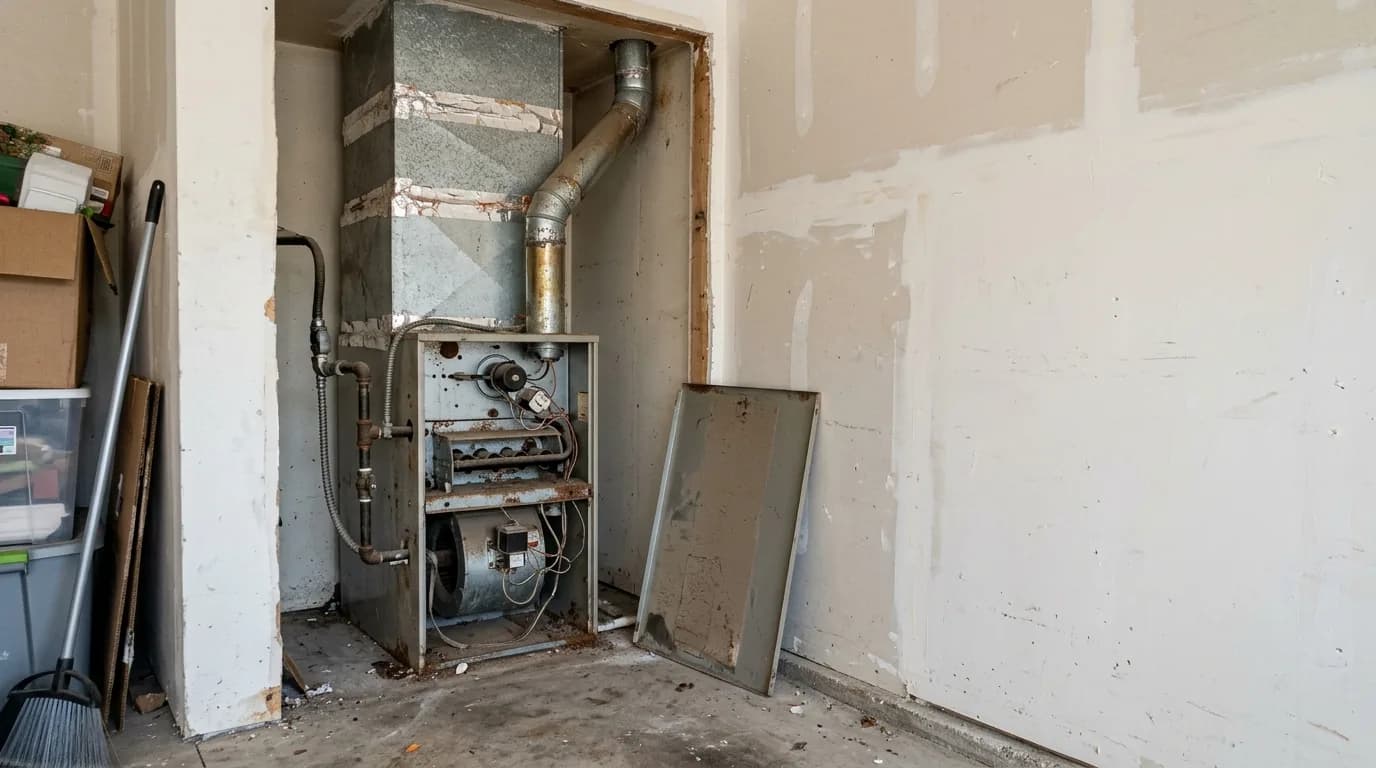
- A dirty filter. Restricted airflow traps heat inside the furnace cabinet, and the high-limit switch does exactly what it is designed to do — it shuts the burners off before the heat exchanger overheats. This is the single most common cause and the cheapest one to rule out.
- A dirty or failing flame sensor. The sensor confirms a flame is actually present after ignition. A thin layer of oxidation on the rod is enough to make the sensor report no flame when a flame is burning fine, and the control board cuts the gas valve as a safety response. This is part of the same combustion safety check covered in our post on carbon monoxide and gas furnace safety.
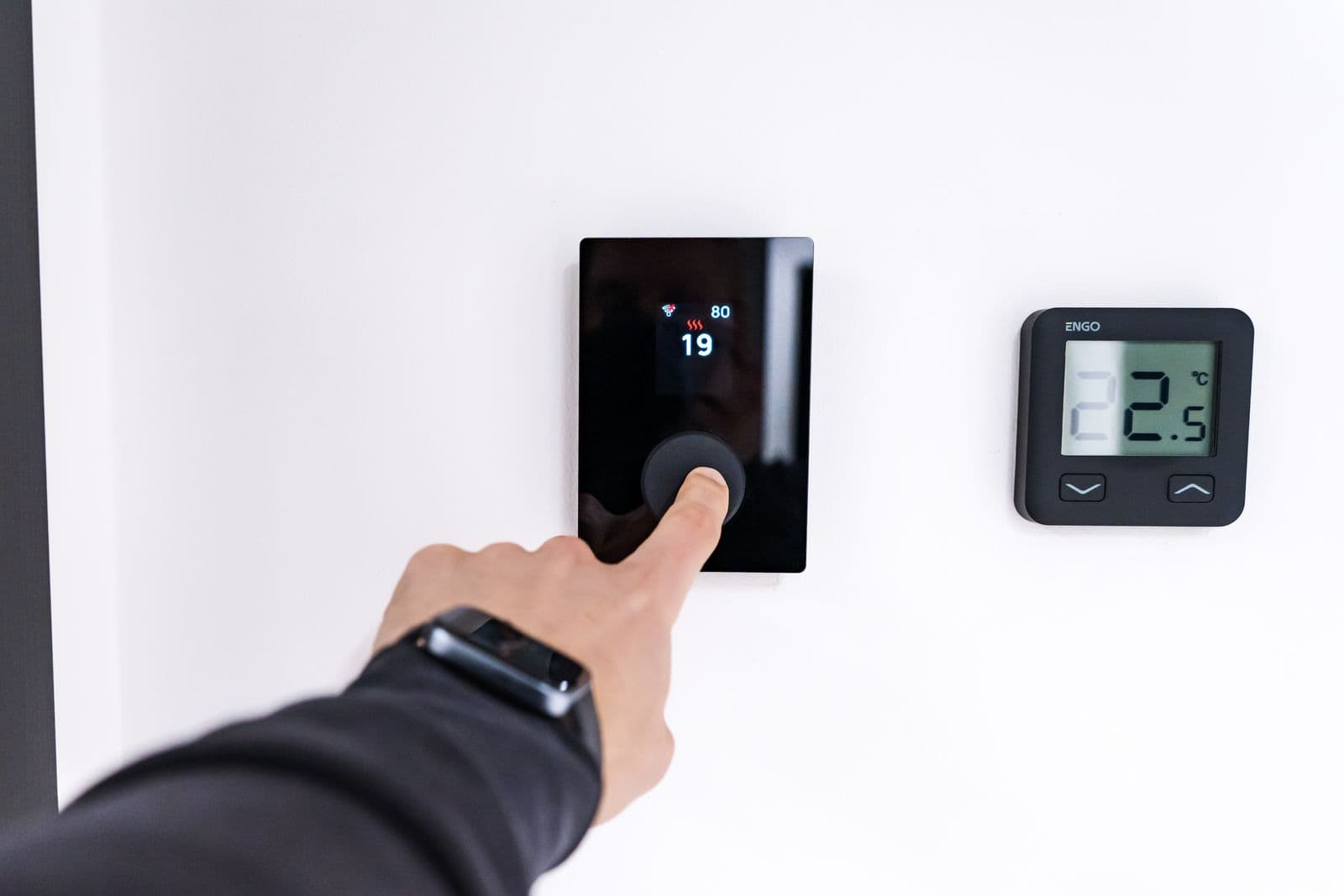
- A thermostat in the wrong spot. A thermostat mounted near a supply register, in direct afternoon sun through a window, or on a wall backing a flue chase reads the room incorrectly and satisfies long before the house actually has.
- A blocked or restricted flue. Bird nests, debris, and Santa Ana wind damage can all narrow a flue enough to trip a pressure switch. This is the cause worth taking most seriously, because a flue problem and a carbon monoxide problem are often the same finding.
- An oversized furnace. A furnace sized for a bigger load than the house actually has satisfies the thermostat fast and shuts off before it has run long enough to heat evenly. The same mechanism causes an oversized air conditioner to short cycle in summer — it is the identical problem on the heating side.
Why It Shows Up So Often Right Now
A Temecula Valley furnace sits idle for five to seven months between cooling seasons. Dust settles on the flame sensor and inside the cabinet during that time, and a filter that was fine in June is overdue by November. Our fall changeover checklist flagged short cycling as one of the signs the heating side needs attention, and a burning smell on first use is the other early-season symptom that comes from the same root cause — a system waking up after months of neglect.
The One Version That Is Not a DIY Problem
If the furnace is also tripping the breaker, if a flame sensor fault returns within an hour of a cleaning, or if there is any smell of gas, stop troubleshooting and call. Short cycling that resolves after a filter change or a sensor cleaning is a maintenance issue. Short cycling that keeps coming back despite a clean sensor and a new filter is usually a cracked heat exchanger or a control board fault, and both of those belong to a technician, not a weekend project.
What to Check Before You Call
- Pull the filter and hold it to a light. If you cannot see light through it, replace it and run the furnace again before anything else.
- Look at the thermostat location. If it sits in direct sun, near a supply register, or on a wall backing the flue, that alone can explain the pattern.
- Check the breaker. A furnace that short cycles and also trips a breaker is not a filter problem.
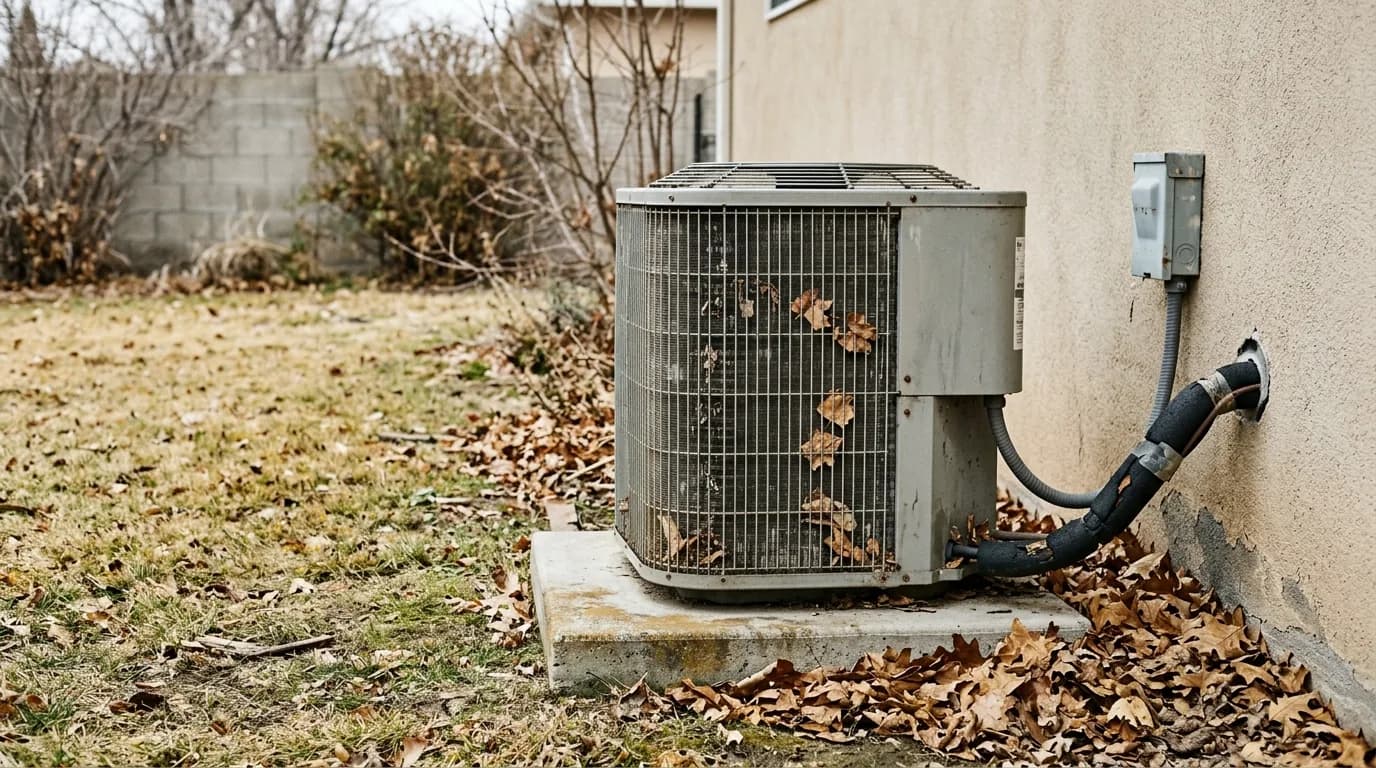
- Look outside at the flue termination for anything blocking it — leaves, a nest, storm debris.
- Time how long each cycle actually runs. Under five minutes almost every time points to the list above; longer cycles that still repeat too often lean toward oversizing.
Our post on seven DIY checks before you call walks through the same kind of troubleshooting for a furnace that will not blow hot air at all, and most of the same checks apply here.
When Short Cycling Is a Replacement Conversation
If the furnace is older than fifteen years, has an oversizing problem baked in from the original install, or keeps finding new ways to short cycle after repeated repairs, the honest answer is sometimes to stop chasing it. Our post on when it is time to replace a furnace in the Temecula Valley covers the age thresholds and the repairs worth making before you get there.
The Fix That Prevents Most of This
A heating-season tune-up covers the filter, the flame sensor, the flue, and the limit switch in one visit — the exact list above — and it costs far less than a Saturday no-heat call in December. The ENERGY STAR maintenance checklist lists the same core items as the baseline for any heating system, gas or electric.
Quick Reference
- Cycle under 5 minutes, filter looks gray — change the filter first
- Cycle under 5 minutes, filter is clean — check the flame sensor or the thermostat location
- Breaker trips along with the short cycling — call, do not keep resetting it
- Any gas smell, at any point — leave the house, call from outside
- Cycles are long but still too frequent — likely an oversized furnace
- Keeps coming back after a cleaning and a new filter — book an inspection
Baker Air Inc. is a family-owned HVAC contractor based in Winchester, California Contractor License #1098493, serving Temecula, Murrieta, Menifee, Wildomar, Winchester, and Lake Elsinore. If your furnace is short cycling and a filter change has not fixed it, call (951) 348-0686 for same-day repair service, or request a visit online.
Written by
The Baker Air Team
Family-owned HVAC contractor · Winchester, CA · CSLB #1098493