The marketing around ductless mini-splits has gotten loud in recent years. "More efficient. Easier to install. Better for older homes." Some of that is true. Some of it is a sales pitch. The actual answer to whether a mini-split or central AC system is better for your home in the Temecula Valley depends on specific factors about your house — not a general rule.
Baker Air installs both types of systems across Temecula, Murrieta, Menifee, Winchester, and the surrounding area. Here's our honest breakdown of when each option actually makes sense.
What Makes Them Different
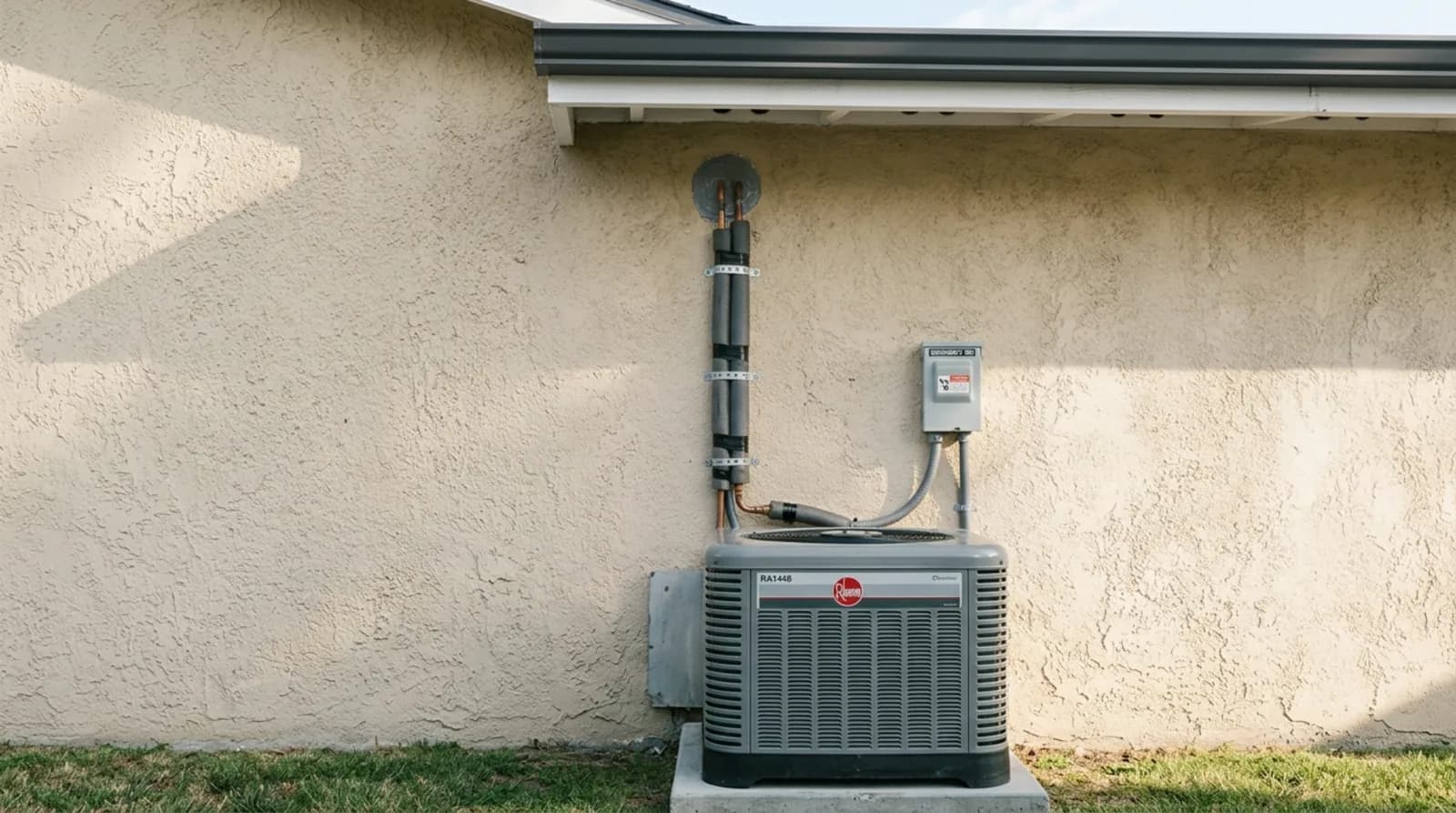
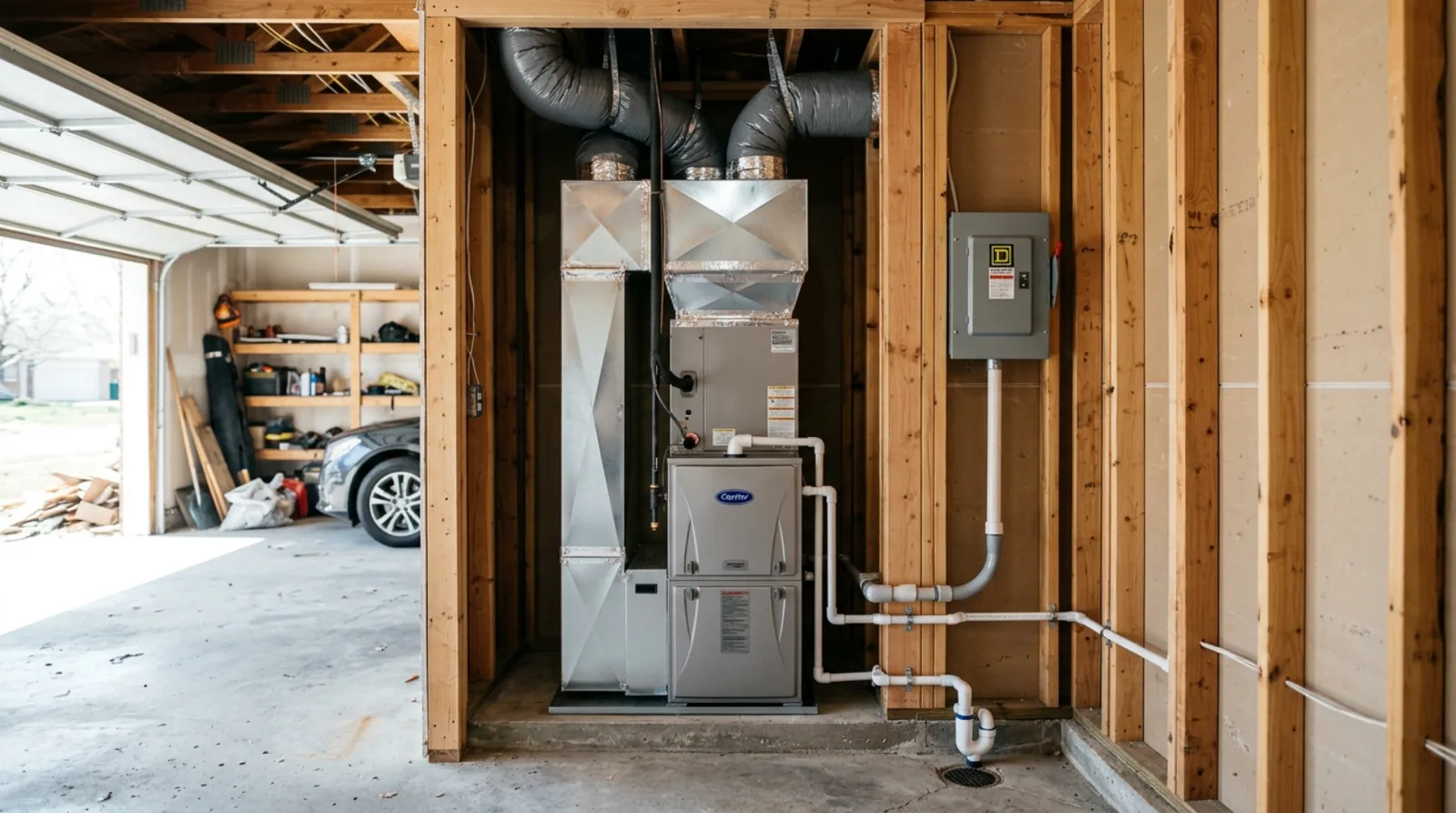
Central air conditioning uses a network of ducts to distribute cooled air from a single outdoor unit and indoor air handler to every room in the house. It's the dominant system in most Temecula Valley homes built after 1990.
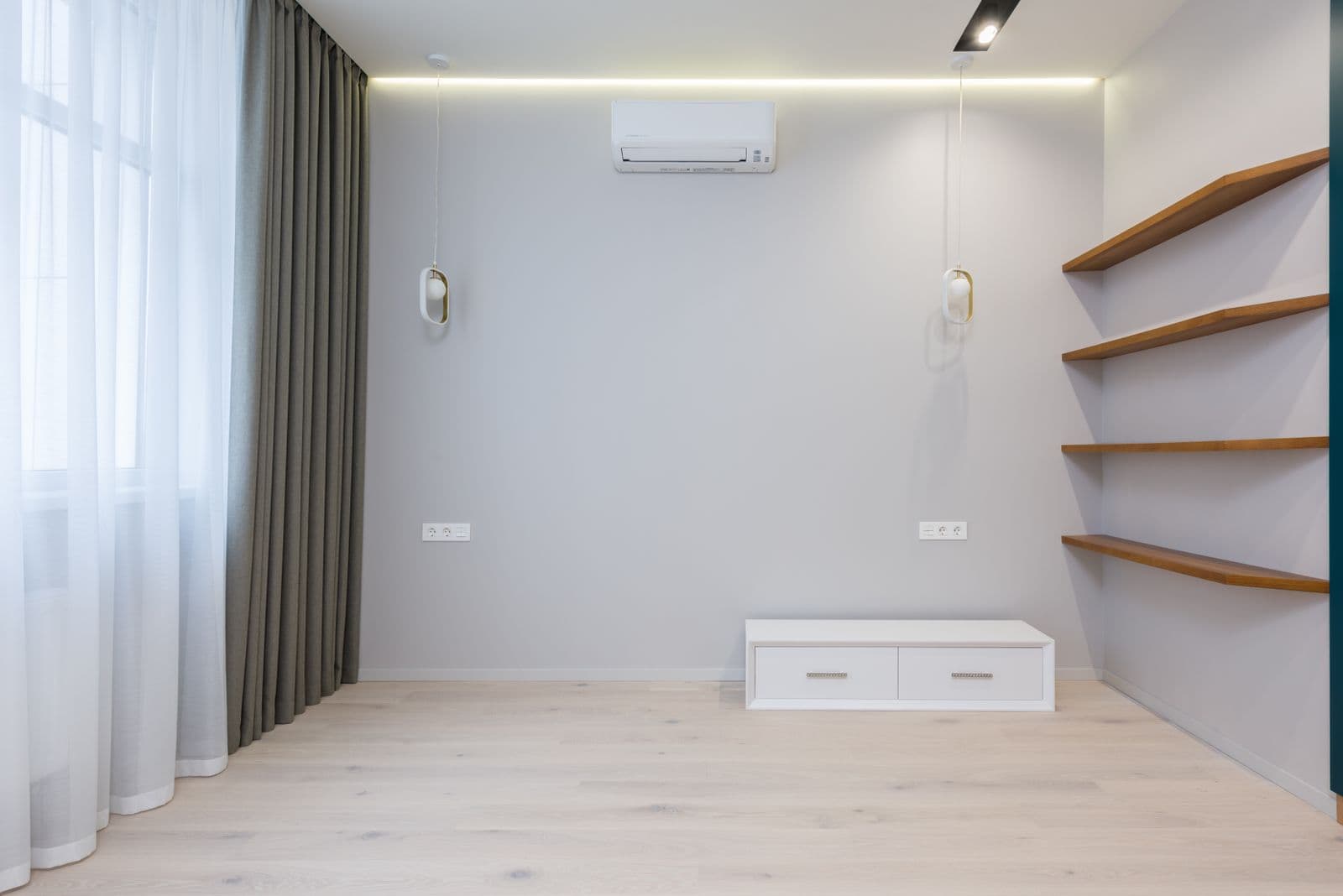
A ductless mini-split eliminates the duct network. Each zone has a small indoor head unit mounted on a wall or ceiling, connected to an outdoor unit by a refrigerant line set that runs through a small hole in the wall. Each zone operates independently, which means you can cool occupied rooms without conditioning the whole house.
This sounds like an obvious advantage — and sometimes it is. But duct-free operation removes a real benefit of central systems: the ability to filter and condition air centrally before it reaches every room. We'll come back to that.
When Mini-Splits Win: Older Winchester Ranch Homes
Winchester has a significant stock of ranch-style homes built in the 1980s and early 1990s, some with original ductwork that's reached the end of its useful life. Replacing or reconfiguring duct systems in a single-story home with limited attic access can be expensive and disruptive — sometimes more expensive than the equipment itself.
In that context, a multi-zone mini-split system that eliminates the duct problem entirely often makes strong financial sense. You're not patching a degraded infrastructure; you're replacing it with something that sidesteps the problem. You also get individual room control, which is genuinely useful in a home where one room runs warm regardless of what the rest of the house is doing.
The other clear win for mini-splits: additions, converted garages, or rooms that your central system simply can't reach effectively. Running new ductwork to a converted garage in Temecula is often $2,000 to $4,000 by itself. A single-zone mini-split can solve the same problem for a comparable or lower cost with better zone control.
When Central AC Wins: Newer Menifee and Murrieta Two-Stories
Newer two-story homes in Menifee, Murrieta, and Wildomar — particularly those built after 2010 — typically have well-designed duct systems sized appropriately for the home's layout. In these homes, a central system replacement is usually the more cost-effective path.
The economics work out differently: to cover a 2,500-square-foot two-story home with mini-splits, you'd typically need four to six zones, each with its own indoor head and separate refrigerant line set. At $3,000 to $6,000 per zone installed, a full-home mini-split system can easily reach $15,000 to $20,000. A high-efficiency central system replacement in the same home might run $8,000 to $12,000.
Central systems also make more sense if you're prioritizing indoor air quality. A central air handler can accommodate a high-MERV filter, UV air purifier, or whole-home media filter in a way that a collection of individual mini-split heads cannot. For Temecula Valley homeowners who deal with wildfire smoke, high dust from the I-15 corridor, or allergy concerns, centralized filtration is a meaningful advantage. See our indoor air quality page for what those options look like.
Efficiency: The Honest Comparison
Mini-splits are genuinely more efficient than central systems in controlled comparisons, and nearly all of them are heat pumps rather than cooling-only units. Most mini-split systems from brands like Mitsubishi, Daikin, or LG achieve SEER2 ratings of 20 to 30+, compared to the 16 to 22 SEER2 range for high-efficiency central systems. That efficiency difference is real.
However: a central system with tight, well-sealed ductwork running at 18 SEER2 will outperform a mini-split system that's poorly sized or installed. Equipment efficiency ratings assume correct installation. In the Temecula Valley's extreme summer heat, proper commissioning matters as much as the nameplate rating.
ASHRAE's technical standards govern proper system sizing and commissioning procedures — any contractor quoting either type of system should be following those guidelines, not rules of thumb.
The Hybrid Approach
Some Temecula Valley homes benefit from a combination: central AC covering the main living areas, with a single-zone mini-split added to a problem room — a bonus room over the garage, a bedroom on the west side of the house that runs hot, or a home office where someone works during peak afternoon heat. This hybrid approach often costs less than a full mini-split installation and performs better than relying entirely on an underpowered central system.
What to Do Next
If you're weighing mini-splits versus central AC for your Murrieta, Menifee, Winchester, Temecula, or Wildomar home, Baker Air can do an honest assessment of your specific situation. We install both systems and have no financial reason to push you toward one or the other — the right system for your home is what matters. Call (951) 348-0686 or schedule a free consultation online. You can also learn more on our installation and upgrades page.
Written by
The Baker Air Team
Family-owned HVAC contractor · Winchester, CA · CSLB #1098493