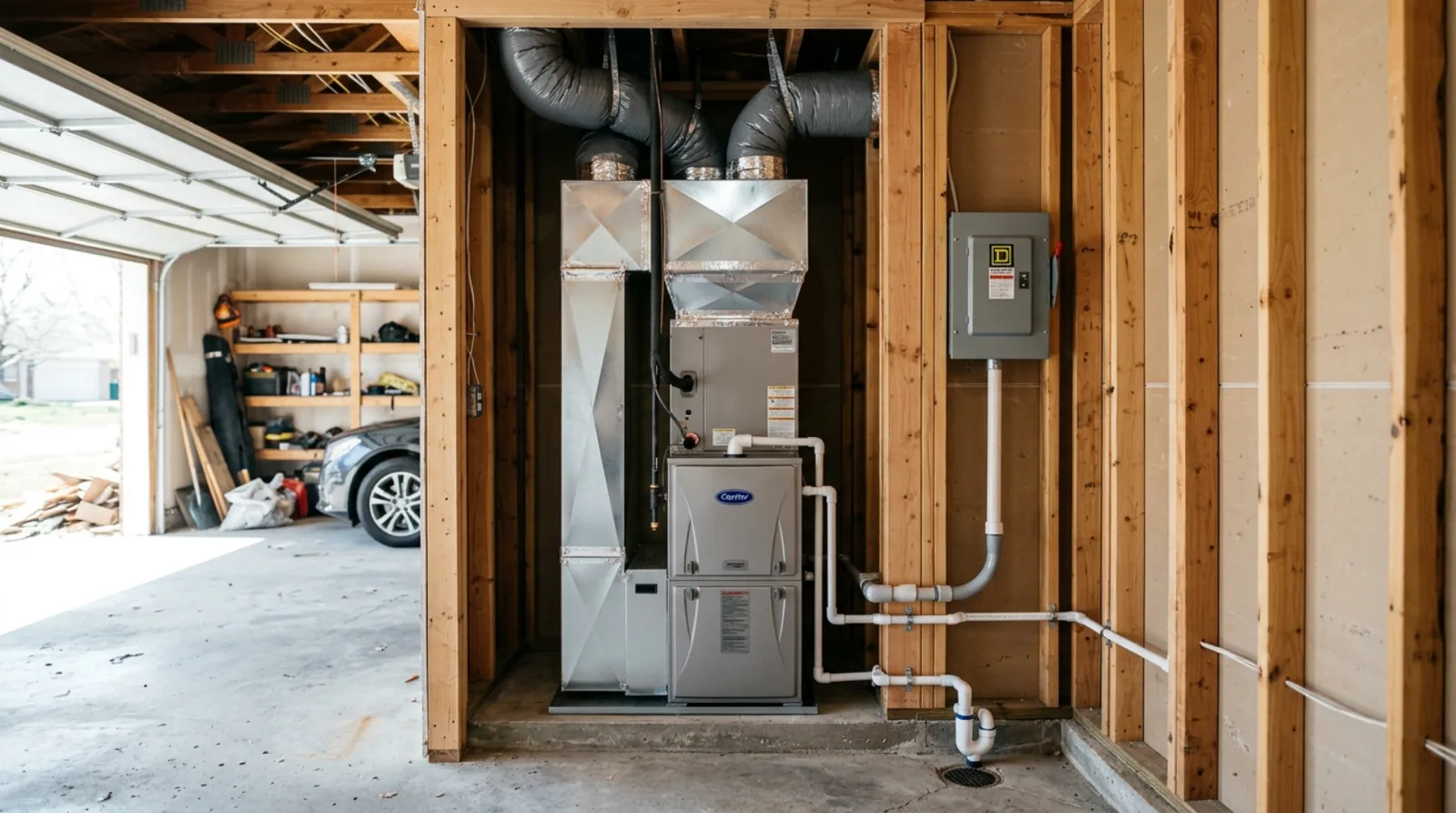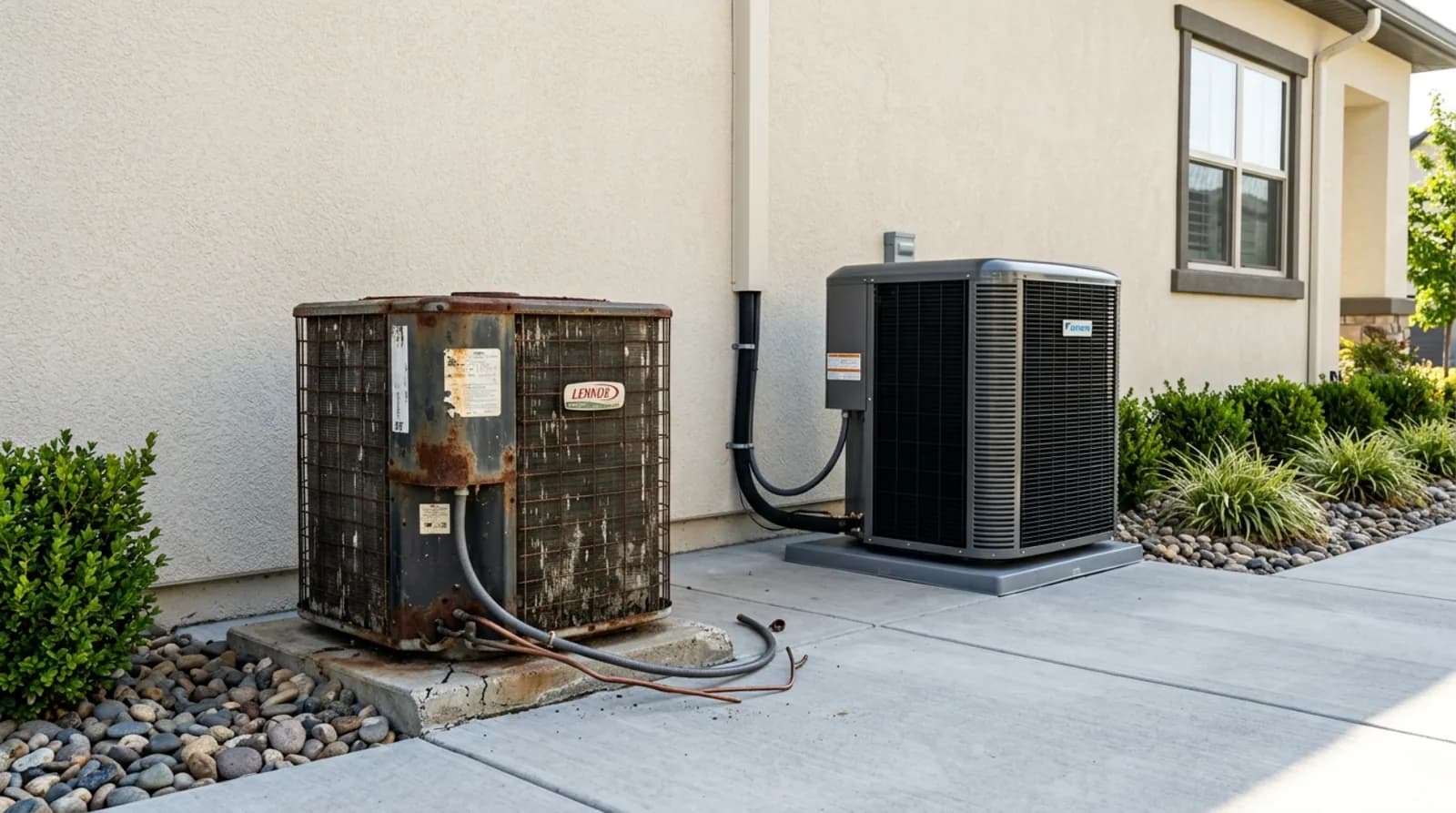
For decades the default HVAC setup in the Temecula Valley was simple: a gas furnace for the handful of genuinely cold weeks, an air conditioner for the long hot summer, sharing one duct system and one blower. That is still a perfectly good configuration. It is no longer the only sensible one.
Heat pumps have moved from a niche product to a mainstream option, and California policy and utility incentives have accelerated the shift. If you are facing a replacement, it is worth understanding the actual tradeoff rather than the marketing on either side.
What a Heat Pump Is
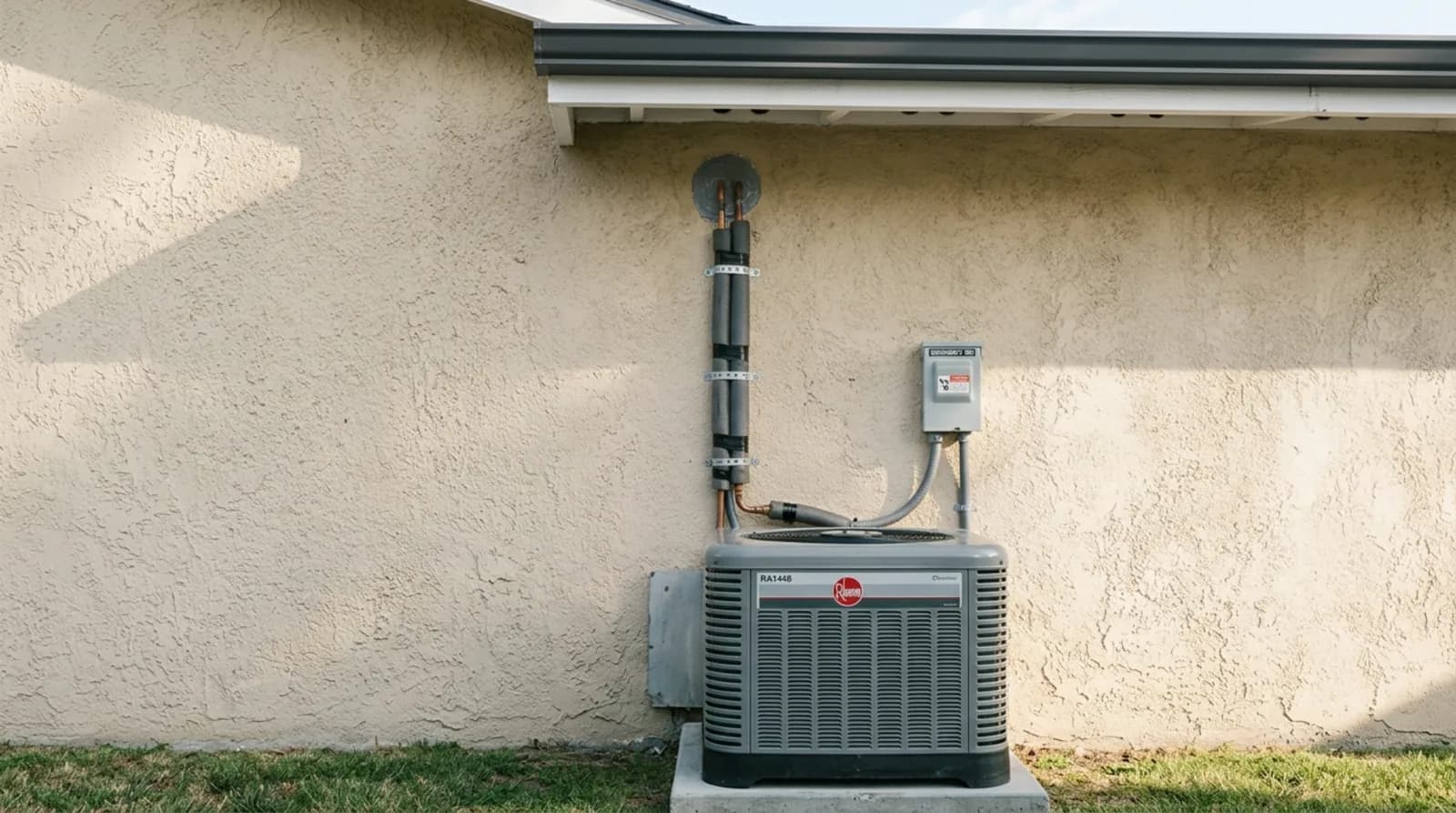
A heat pump is an air conditioner that can run in both directions. In summer it moves heat from inside your home to the outdoors, exactly like any AC. In winter a reversing valve flips the refrigerant flow so it extracts heat from outdoor air and moves it inside. There is no combustion and no flame — just refrigerant, a compressor, and two coils.
If you already have a ductless system, you already own a heat pump; nearly all mini-splits are heat pumps by default. Our comparison of ductless mini-splits versus central AC covers that side of the category.
Why the Climate Here Favors Them
The old knock on heat pumps was cold-weather performance, and it was a fair criticism of equipment from the 1990s in genuinely cold places. It has almost no bearing on the Temecula Valley. Our winter design temperatures rarely challenge modern equipment, and the number of hours per year when a heat pump would need supplemental heat is small.
In a climate with a long cooling season and a short, mild heating season, a heat pump spends the overwhelming majority of its operating hours doing exactly what an air conditioner does — so you are mostly buying an AC that happens to also handle winter.
The Efficiency Argument
A gas furnace converts fuel to heat and can never exceed 100 percent of the fuel's energy content; high-efficiency units land in the 90s. A heat pump does not convert anything — it moves heat that already exists — so it routinely delivers two to three units of heat energy per unit of electrical energy consumed in mild conditions.
Whether that translates into a lower bill depends on the local price of electricity versus natural gas, which in Southern California is not a slam dunk in either direction and changes with rate plans. The honest framing: heat pumps usually win on energy consumed and are a closer call on dollars spent, particularly if you are on a time-of-use plan where winter evening heating lands in an expensive window. The scheduling side of that is covered in our post on smart thermostats and SCE time-of-use plans.
Where Heat Pumps Clearly Win
- All-electric homes. No gas service, no gas bill, no combustion appliance to vent or inspect.
- Homes with solar. Electrifying heat lets you offset winter heating with generation you already own.
- Aging furnaces with venting problems. If the furnace replacement would require venting or gas line work, that cost disappears with a heat pump.
- Incentive eligibility. California's electrification programs are aimed at heat pumps specifically; The Switch Is On maintains a statewide directory of current incentives by address.
- Additions and converted spaces where extending ductwork is impractical.
Where the Furnace Still Makes Sense
- You have a relatively new furnace and only the AC has failed — replacing half the system is cheaper
- Your electrical panel has no capacity and a service upgrade would be required
- You strongly prefer the feel of gas heat, which delivers hotter supply air in shorter bursts
- Budget is the binding constraint and the AC-only replacement is the affordable path
That last point is real. A heat pump changeover is a larger project than a like-for-like condenser swap, and pretending otherwise does homeowners no favors.
The Electrical Question
Heat pumps draw more electrical load than a cooling-only condenser, because they carry the heating load too. In older Winchester and Wildomar homes with 100-amp service and a full panel, a changeover may require a panel evaluation and possibly an upgrade. That is an electrical contractor's scope and it needs to be priced honestly up front rather than discovered on installation day.
Sizing Is Even More Important
A heat pump is sized against both loads, and the cooling load usually governs in our climate. Get it wrong in the oversized direction and you inherit all the short-cycling and humidity problems described in our post on HVAC sizing mistakes — plus reduced heating comfort, since the system will cycle rather than deliver a steady low-temperature supply.
In a valley with five months of cooling and three weeks of real heating, a heat pump is mostly an air conditioner with a useful winter feature attached.
What Heat Pump Heat Feels Like
Set expectations honestly: supply air from a heat pump runs cooler than furnace air — comfortably warm rather than hot. The system holds the house at temperature with longer, gentler runs instead of short blasts. Most people prefer it once they adjust, but the first week feels different, and homeowners who are not told this in advance sometimes think something is wrong.
The Ductwork Still Decides the Outcome
Whichever direction you go, the duct system caps what the equipment can deliver. Longer, lower-temperature runs actually make duct quality more important, not less. If you have never had the ducts evaluated, read what leaky ductwork costs in this valley before you spend money on equipment.
Talk It Through Before You Decide
Baker Air Inc. is a family-owned HVAC contractor based in Winchester, serving Temecula, Murrieta, Menifee, Wildomar, Winchester, and Lake Elsinore. California Contractor License #1098493. If you are approaching a replacement, we will lay out both paths with real numbers for your home, your panel, and your duct system — no pressure toward either one.
Call (951) 348-0686 or request a consultation online. You can also review our installation and upgrade services, check what permitting a replacement in Riverside County involves, and see how a Comfy Club maintenance plan protects whichever system you choose.
Written by
The Baker Air Team
Family-owned HVAC contractor · Winchester, CA · CSLB #1098493